
The Thrill of Uncertainty
The psychology of gambling is deeply intertwined with the thrill of uncertainty. Players often find themselves drawn to the unpredictable nature of games, where each turn can lead to fortune or loss. Additionally, many players are aware of options such as uk casinos not on gamstop, which offer alternative gambling experiences. This uncertainty creates an adrenaline rush that can be both exhilarating and addictive. Many players enjoy the emotional highs and lows that accompany risk-taking, leading to a compelling motivation to gamble.
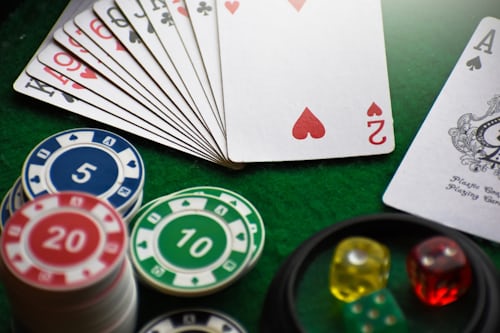
This thrill is not just about winning money; it is also about the experience itself. The anticipation of a potential win can be more stimulating than the actual outcome. This psychological dynamic often leads players to chase their losses or continue gambling in hopes of recapturing that initial excitement, which can create a cycle of risk-taking behavior.
The Role of Cognitive Biases
Cognitive biases play a significant role in how players perceive their chances of winning. Many gamblers exhibit what's known as the "gambler's fallacy," the belief that past outcomes influence future results. This erroneous thinking can lead players to take more significant risks, believing they are due for a win after a series of losses. Understanding these biases helps illustrate why some individuals may gamble more than they should, highlighting trends in gambling technology that modify how people engage with games.
Additionally, the illusion of control is a common psychological phenomenon among gamblers. Players often believe they can influence random outcomes through strategy or skill, which can lead to overconfidence and further risk-taking. Recognizing these cognitive distortions is essential for understanding the motivations behind gambling behavior.
The Influence of Social Factors
Social factors also significantly impact gambling behavior. The environment in which gambling occurs—whether in a casino, online, or through social settings—can affect players' decisions. Social interactions can create a sense of belonging and community among gamblers, which may encourage them to take risks together, reinforcing their behavior.
Moreover, peer influence can be a substantial driver of gambling. Observing friends or family members engaging in risk-taking behaviors can normalize gambling and make it appear more acceptable. This social reinforcement can lead individuals to take risks they might not consider independently.
The Psychological Impact of Rewards
Gambling often incorporates reward systems that tap into players’ desires for immediate gratification. The immediate rewards from winning, even if they are small, can create a powerful psychological response, reinforcing the behavior and encouraging further gambling. This reward system is similar to other forms of addiction, where the brain releases dopamine, reinforcing the pleasure associated with risk-taking.
Conversely, the experience of losing can lead to a phenomenon known as "loss chasing," where players continue to gamble in an attempt to recover lost funds. This can create a detrimental cycle that keeps individuals engaged in gambling despite potential negative consequences. Understanding these psychological impacts is crucial for both players and those around them.

Explore More About Gambling Psychology
Understanding the psychology behind gambling and why players take risks is essential for addressing responsible gambling practices. It is crucial for players to recognize their motivations and the psychological factors at play. By gaining insights into their behavior, individuals can make more informed choices and potentially reduce the risks associated with gambling.
For those interested in learning more about this complex interplay of psychology and gambling, numerous resources are available to help deepen understanding. Whether you're a casual player or someone concerned about gambling behaviors, knowledge is a powerful tool for navigating this intriguing world.